The price is pretty good for the portion and it takes gooood!! I ordered more than $50 and they gave me a big plate of pork tangsuyuk. That plate is just half we ate already and I wanted to post a review. We couldn’t finish everything lol I felt bad so I left a review. But I did take some food home!
Overview
From experience, good gimbap starts long before the roll is sliced. The rice has to be seasoned while it’s still warm, and the fillings need to be prepped separately so nothing bleeds into the rest. Watching the staff here work during a busy lunch rush is like seeing a well-rehearsed routine. Carrots are julienned and lightly sautéed, spinach is blanched and squeezed just right, and proteins are cooked fresh in small batches. That method matters. A study often cited by the Korean Food Promotion Institute points out that traditional preparation is what keeps gimbap balanced in flavor and texture, instead of turning soggy or bland after a few minutes.
The menu leans classic but still leaves room for choice. You’ll usually find options like beef bulgogi gimbap, tuna mayo rolls, and vegetarian combinations that don’t feel like an afterthought. On one visit, I ordered a simple vegetable roll alongside a spicy pork version, and the contrast was spot on. The vegetable roll tasted clean and nutty, while the pork brought heat without overpowering the rice. According to nutrition data from the USDA, a standard gimbap roll can offer a solid mix of carbohydrates, protein, and vegetables, which explains why it’s such a popular everyday meal in Korea.
What stands out in reviews from regulars is consistency. People mention that whether they drop by in the morning or late afternoon, the rolls hold their shape and flavor. That lines up with what I noticed over multiple visits. Even when the shop is busy, the rice isn’t dry and the seaweed doesn’t turn chewy. A friend of mine who works in food service pointed out that this usually means the rice batches are refreshed often instead of sitting too long, a small detail that separates average diners from reliable ones.
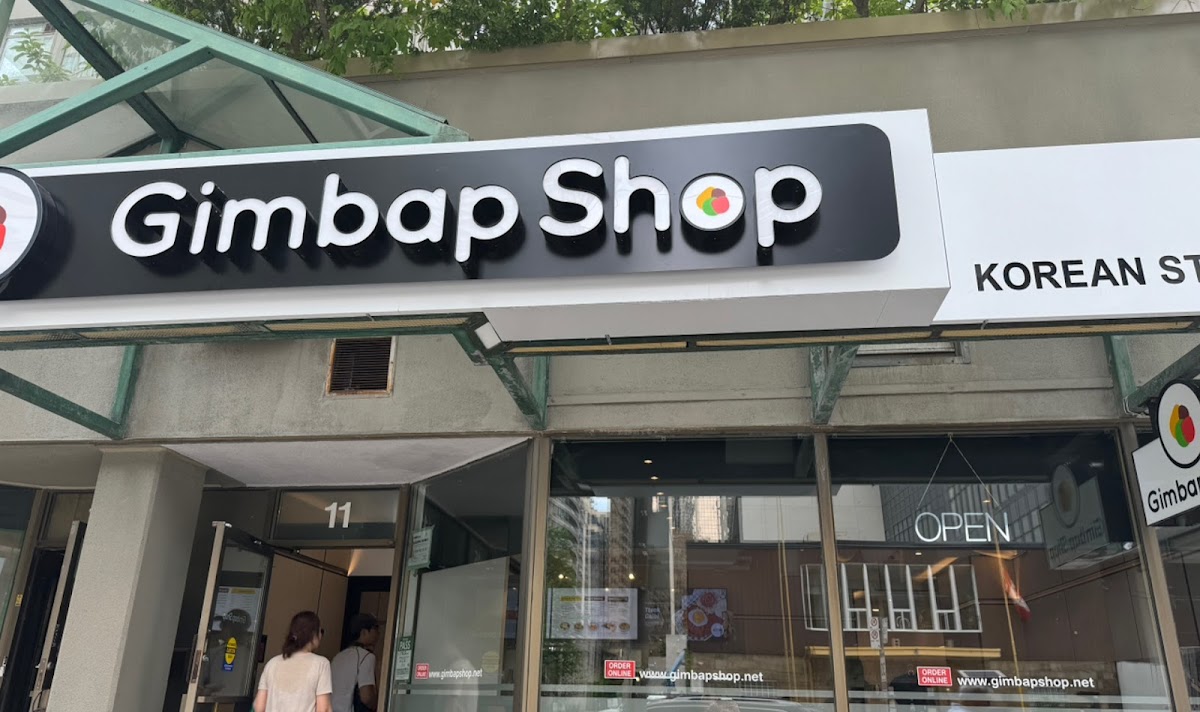
Location-wise, being in North York makes this gimbap shop an easy stop for office workers, students, and families. I’ve seen people grab rolls to-go and others sit down for a quick meal paired with instant ramen or fish cake soup. The setup works for both, which explains the steady foot traffic. Reviews often mention how convenient it is compared to full-service Korean restaurants, especially when you want something fast but not greasy.
From an expertise angle, gimbap is often misunderstood as Korean sushi, but that comparison falls apart once you taste it done right. Harvard T.H. Chan School of Public Health has written about how sesame oil-based dishes differ nutritionally from vinegar-seasoned rice, and you can taste that difference here. The flavor is rounder and more savory, designed for everyday eating rather than a special occasion.
To be fair, there are limits. The menu doesn’t rotate much, so if you’re chasing novelty every visit, you might find it predictable. Seating can also feel tight during peak hours. Still, the accuracy of flavors and the care in preparation outweigh those gaps. For anyone browsing restaurant reviews and wondering if a simple roll shop is worth the stop, this North York spot proves that when gimbap is made with intention, it doesn’t need much else to shine.
Good to know
From the business
✓ Identifies as women-ownedService options
✓ Kerbside pickup ✓ Delivery ✓ On-site services ✓ Takeaway ✓ Dine-inPopular for
✓ Lunch ✓ Dinner ✓ Solo diningOfferings
✓ Coffee ✓ Quick bite ✓ Small platesDining options
✓ Lunch ✓ Dinner ✓ DessertAtmosphere
✓ Casual ✓ TrendyCrowd
✓ Family friendly ✓ LGBTQ+ friendly ✓ Transgender safe space ✓ University studentsPlanning
✓ Accepts reservationsPayments
✓ Credit cards ✓ Debit cards ✓ NFC mobile payments ✓ Credit cardsChildren
✓ Good for kidsParking
✓ Free of charge street parking ✓ Paid street parking ✓ ParkingPhotos
1 / 4
Location
Reviews
- No ratings yet 780 reviews
Just wanted to share our favorite gimbap place with you! The ambiance there is super warm and welcoming, it feels so cozy every time we visit. The staff are incredibly kind and really understanding too, which just makes the whole experience even better. And the food? Absolutely delicious! We seriously love everything we've tried so far. If you haven't been yet, you’ve gotta check it out. Highly recommended!
We ordered from Gimbap Shop through DoorDash, and everything was fantastic! We got three gimbap rolls’ the bulgogi gimbap, chicken katsu roll, and one that was either chicken or tuna, plus a rose tteokbokki. The rolls were much bigger than expected and packed with flavour. Each one tasted fresh and well-balanced, and the rose tteokbokki had a great creamy, spicy kick. Everything arrived nicely packaged and still warm. Delicious food all around, we’ll definitely be ordering from here again!
Will come back for their gimbaps but I was craving noodles so I got the rabboki and the Kimchi noodle soup! Rabboki was very good and spicy with the right hint of sweetness. Didn’t love the kimchi noodle soup as mouth though. Seemed a little bland. Good for take out and dine in. Extremely reasonable pricing. They even have lunch specials from 11am-3pm that give you a little bit of everything on the menu.
TLDR: Looked for a semi-healthy yet affordable food option for takeout so we could pair it with somaek -[KIMCHI TUNA GIMBAP] $12.99 has kimchi, tuna, perilla leaf, mayo, burdock, carrot, egg, and pickled radish truthfully, I really like kimchi so I would have wanted more kimchi to give this gimbap more of a spicy flavor but look at that filling to rice ratio -[JALAPENO CRAB MEAT TUNA GIMBAP] $13.99 has crab meat, tuna, jalapeno, rice, carrot, cucumber, and egg not really spicy but you can taste the jalapeno flavor regardless so it was enjoyable -[CHICKEN TANGSUYUK] $18.99 sweet and sour Korean fried chicken I personally liked that the sauce was separated from the fried chicken because it helped to keep the chicken crispier for longer also idk how they fried this but it didn't cause me to have a sore throat afterwards aka wow -[MINI CHEESE KIMCHI JEON] $5.99 not that much kimchi flavor again but still good to snack on would have wanted more cheese flavor too but the mild cheese likely paired better with the subtle kimchi flavor of this one They have party trays that would be great to bring to gatherings/parties
Nice upgrade to Korean street food. It has been the third time I have tried their different dishes. I can confidently confirm that the gimbaps are delicious. The portion is good enough for a meal. Other side dishes are just to complement the gimbaps...not to be enjoyed as replacement. They also served a glazed(?) fried puffs as a dessert. Nice sweet puff balls. Quick and enjoyable.
Came here on a Tuesday for lunch and the food was delicious! The gimbap were beautifully put together and their lunch specials were great bang for the buck. Highly recommend! Oh and the customer service was amazing as well... We stayed for a long time chatting and they kept refilling out teas
Food tasted amazing. Everything was so fresh. The squid was crispy and delicious. Will visit again.